How To Build A Personal Brand As A Gamer | A 10-Step Growth Blueprint
Why Personal Branding Matters More Than Skill In Gaming
You go live feeling confident. You play well, speak clearly, and enjoy the game, but only a few people are watching. That’s frustrating, especially when you know you’re talented. The truth is, skill alone is no longer enough. Thousands of great players stream every day. Skill is the baseline, not the differentiator.
That’s why understanding how to build a personal brand as a gamermatters. Growth today isn’t just about gameplay; it’s about identity. It’s about how people perceive you, remember you, and talk about you after the stream ends. Viewers may click for the game, but they stay for your personality, energy, and perspective. Skill earns attention. A strong personal brand earns loyalty.
Crafting A Memorable Gaming Identity
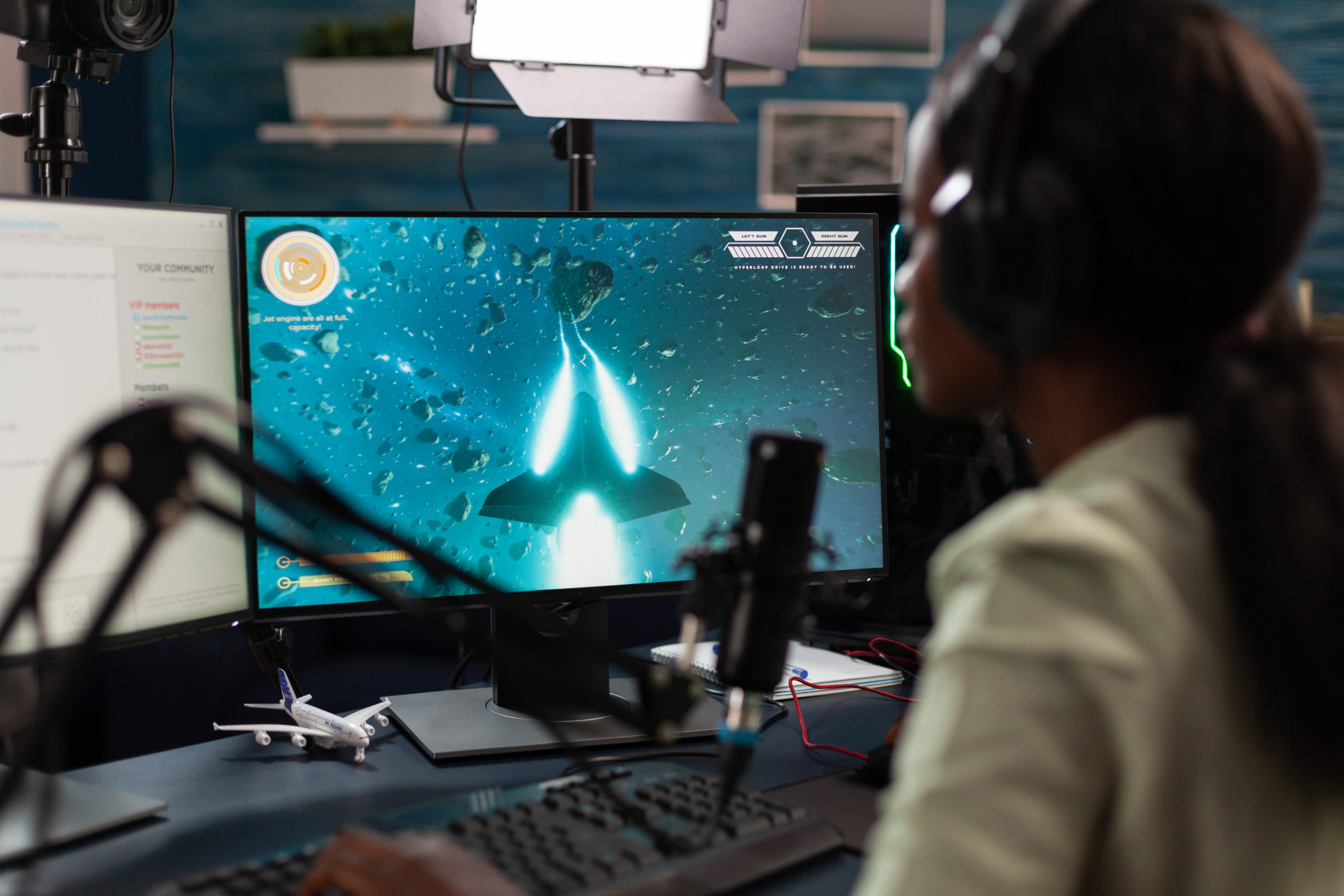
A personal brand is the unique impression you leave on viewers, shaped by your personality, style, and engagement. For gamers, it’s more than skill; it’s the experience you create. A strong brand makes people remember you for your humor, perspective, or energy rather than the game you play.
Building this brand starts with understanding yourself, your personality, strengths, and the kind of experience you want to deliver. Align your tone, visuals, and content so anyone encountering you immediately gets your “vibe.” Writing a celebrity-style bio pagecan give you practical ways to present yourself in a way that’s both authentic and memorable.
Authenticity is everything. Your brand should highlight what makes you unique instead of copying others. Streams, clips, and posts that consistently reflect your style and values build trust, loyalty, and a lasting connection with your audience, keeping you relevant even as trends and games change.
Follow the steps below to make your brand unforgettable.
Step 1: Define Your Brand Positioning Statement
Before designing overlays or posting clips, you need clarity. A strong gaming brand starts with a positioning statement:
I help [specific audience] achieve [specific result] through [your unique approach].
Examples:
- I help beginner FPS players improve ranked mindset through calm, structured coaching.
- I entertain competitive gamers with chaotic, high-energy challenge runs.
- I break down complex RPG storylines for lore-focused players.
This statement does three things:
- Clarifies who you are for
- Clarifies why someone should watch you
- Forces you to narrow your identity
If you cannot describe your channel in one sentence, your brand is not clear enough yet. Clarity builds recognition. Recognition builds growth.
Step 2: Identify And Understand Your Target Audience
Growth begins with focus. Your brand only works when it resonates deeply with a specific type of viewer.
Ask yourself:
- Are my viewers competitive or casual?
- Are they beginners, intermediate players, or advanced?
- Do they watch for improvement, entertainment, or comfort?
- What frustrations are they trying to solve?
Study your chat. Review comments. Analyze which clips perform best. Patterns reveal preferences.
For example:
- Calm, thoughtful audiences respond well to detailed strategy breakdowns.
- High-energy audiences prefer fast edits, reactions, and chaotic moments.
- New players seek clarity and structured guidance.
When you understand your audience’s emotional needs, not just their game preferences, your content becomes magnetic instead of generic. The more specific your audience, the stronger your brand.
Step 3: Create A Clear And Recognizable Brand
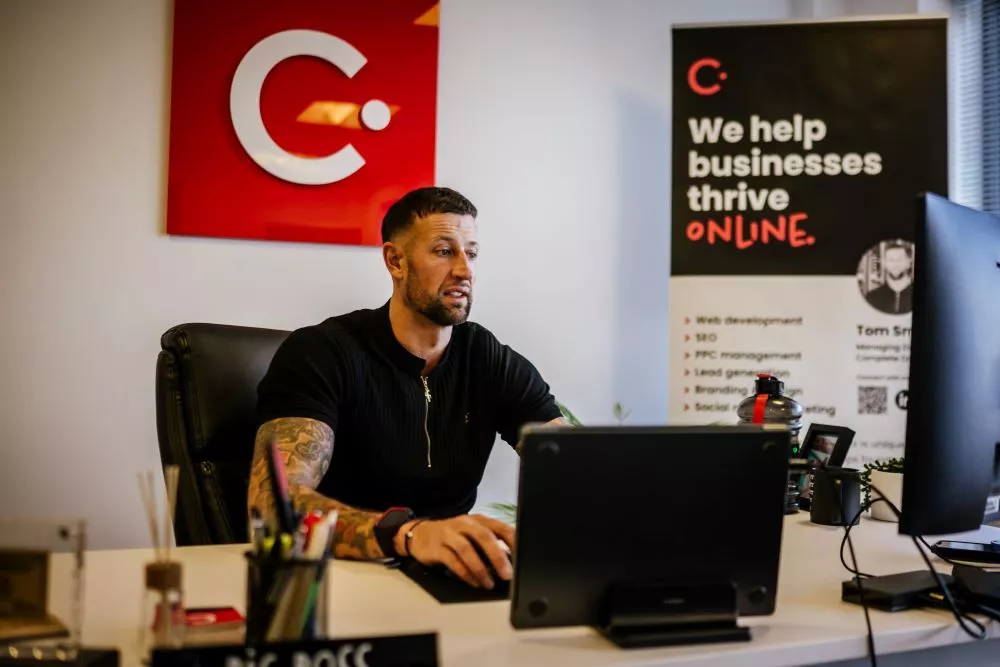
Clarity is power. Your positioning, tone, and visuals must work together. Keep your tone consistent across all platforms, from your BGMI nameto your stream titles. Recognition is built through repetition. If someone sees your clip without your name attached, they should still recognize your style. Clarity should extend across every touchpoint:
- Username consistency across platforms
- Matching profile images and banners
- Similar tone in captions, bios, and stream titles
- Recurring phrases or inside jokes
Recognition is built through repetition. If someone sees your clip without your name attached, they should still recognize your style.
Step 4: Build Your Gamer Brand Kit
Create a simple visual and emotional system:
- Brand Colors:2-3 colors that match your vibe.
- Typography:Consistent fonts for thumbnails and overlays.
- Content Pillars: 3-5 recurring themes (e.g., Ranked tips, Funny reactions, Lore breakdowns).
- Catchphrase:A hook that builds familiarity.
Step 5: Choose Your Niche Carefully
The gaming world is crowded. Instead of just playing an FPS, the coach ranked players on mindset. Instead of generic RPG gameplay, analyze deep storylines. Precision draws attention in a sea of noise.
Your Mission & Values - The Creator’s Compass
A niche tells people what you play, but your Mission and Values tell them who you are. In 2026, viewers are "value-shoppers"; they support creators whose worldviews align with theirs.
Define Your Mission
Your mission is your "North Star."
Example: "To provide a high-energy escape for burnt-out students through chaotic gameplay and community-driven storytelling."
Anchor Your Core Values
Choose 3 values you will never compromise on:
- Transparency:"I show the grind and the losses, not just the highlights."
- Inclusivity: "My chat is a haven for all players, regardless of skill level."
- Growth Mindset:"We don't 'tilt' here; we analyze and improve."
Tip:Post these values in your Discord "Rules" and Twitch "About" section. When you live your values, you build a "moat" that competitors cannot copy.
How To Stand Out On Platform Algorithms
Platforms prioritize Click-Through Rate (CTR), Retention, and Consistency.
- Short-form: Focus on fast pacing and clear payoffs.
- Long-form: Focus on storytelling and value depth.
Align your brand with how platforms distribute content to make growth predictable.
Step 6: Build Multi-Platform Reach
Relying on a single platform is risky. Short-form clips on TikTok or YouTube Shorts grab attention, long-form videos build trust, and live streams deepen loyalty. Highlight your personality in every moment, funny reactions, emotional responses, and insightful commentary often outperform pure gameplay.
If you are serious about long-term growth, integrating multimedia into your portfoliocan also help you present your streams, clips, and highlights more professionally and compellingly. Diversifying across platforms shields your brand from algorithm changes and puts you where your audience already spends time. Attention comes first; loyalty follows naturally.
Step 7: Own Your Community
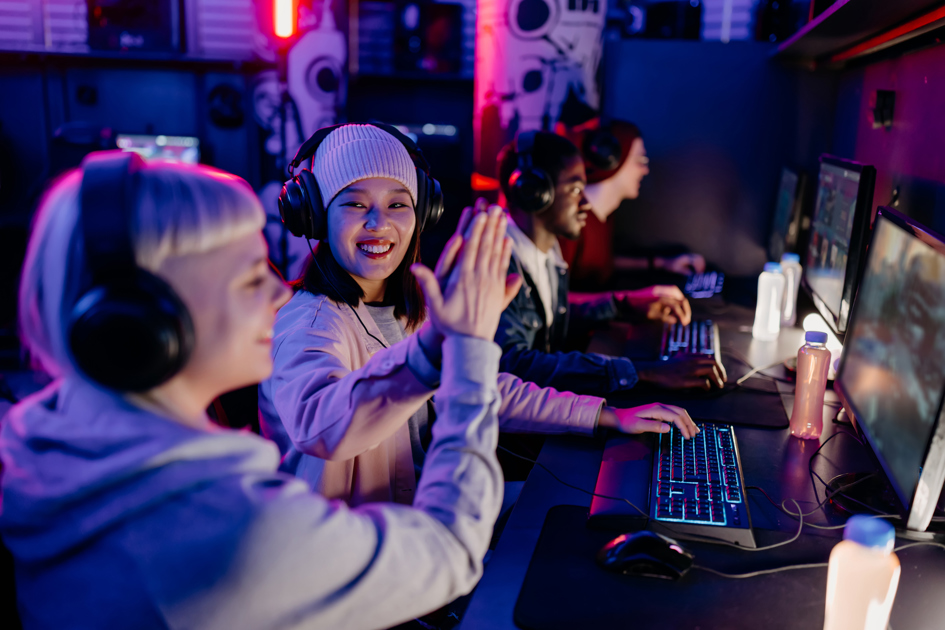
Algorithms shift constantly, but your community does not. Moving your audience into owned spaces, like Discord servers, private groups, or email lists, gives you control. Communities strengthen engagement, create loyalty, and provide stability in monetization.
Casual viewers scroll past; community members show up intentionally. By fostering interaction and shared experiences, your brand builds a protective moat that keeps it relevant long-term.
Step 8: Create Content With Emotional Impact
Skill earns respect, but emotion earns loyalty. People remember how you make them feel, whether it’s excitement, laughter, comfort, or inspiration. Define the emotional outcome of your streams and clips.
Every interaction should answer the question: “What experience am I giving my viewers?” Emotional consistency turns casual viewers into fans who return again and again.
Step 9: Monetize With Purpose And Brand Safety
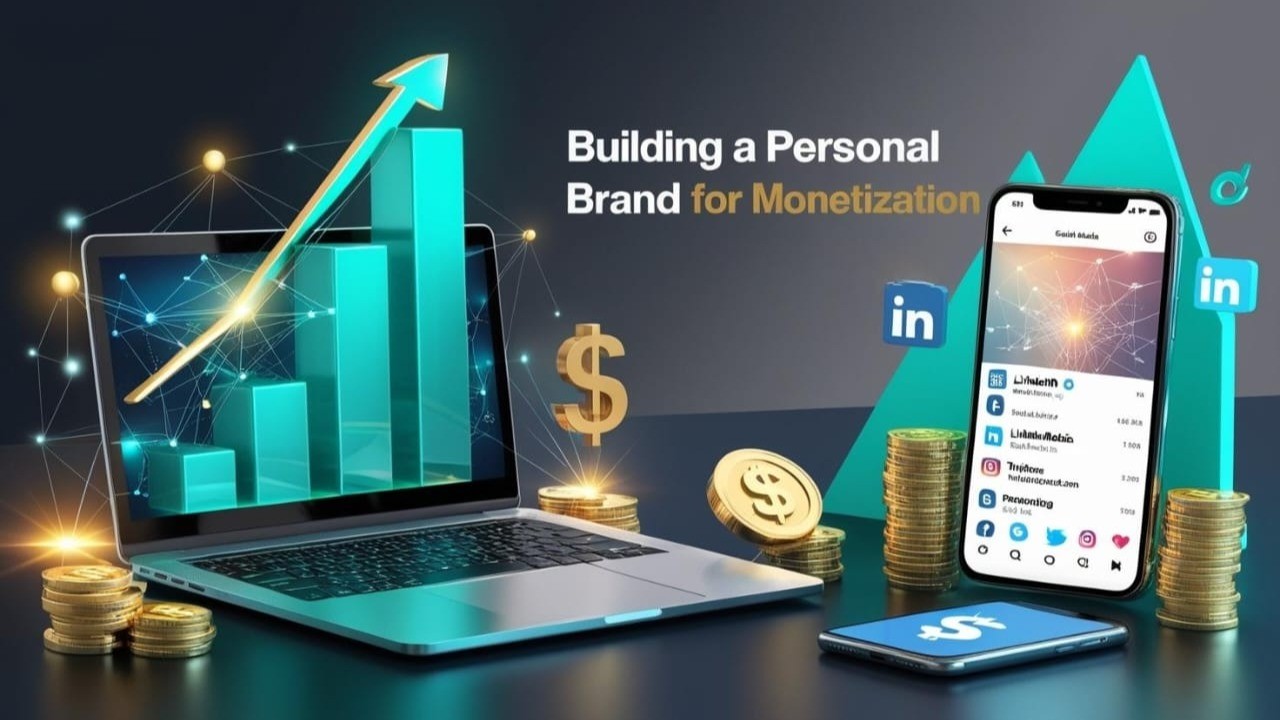
A strong brand opens more doors than platform subscriptions alone. However, in 2026, brands don't just look at your follower count; they look at your Brand Safety Rating. This is a measure of how "advertiser-friendly" your community and content are.
Beyond Subscriptions, Consider:
- Niche-Aligned Sponsorships:Partnerships that feel like a natural extension of your gameplay (e.g., a tactical coach partnering with high-performance monitor brands).
- Digital Products:Move from "selling shirts" to "selling value." Offer downloadable strategy guides, custom OBS filter presets, or 1-on-1 mindset coaching.
- The 2026 Creator Media Kit: Brands now expect a live-updating dashboard. Your kit should include:
Your Media Kit Must Include:
- Audience Sentiment Data: Proof that your community is positive and engaged (AI tools can now summarize your chat "vibe" for brands).
- Verified Demographics:Clear data on age, region, and purchasing interests.
- Brand Safety Score:A summary of your content's "advertiser-friendliness" (e.g., "PG-13: Mature humor but zero tolerance for hate speech").
- Case Studies:Brief examples of how you’ve helped a previous partner or community project succeed.
Tip: Never trade long-term trust for a short-term paycheck. If a sponsorship doesn’t fit your "Brand Positioning Statement," decline it. Your audience’s trust is your most expensive asset.
Step 10: Use Data Without Losing Yourself
In 2026, top creators use Data and AI to maintain their brand's "soul" while optimizing for the algorithm. Use technology to handle the "science" so you can focus on the "art" of being yourself.
The "AI Brand Co-Pilot" Strategy:
- Voice Consistency:Use LLMs (like Gemini or ChatGPT) to "vet" your captions and scripts. Input your Brand Positioning Statement and ask: "Does this tweet sound like a 'calm, structured coach' or does it sound generic?"
- Sentiment Analysis:Use tools to analyze your Discord and Twitch chat. Are people actually using your catchphrases? Is the energy "Toxic" or "Hype"? Adjust your engagement based on real-time emotional data.
- Predictive SEO:Apply Portfolio SEOby researching what your specific audience is searching for before you go live. If you are a "Lore-focused RPG player," use data to find the unanswered questions about a new game's story.
Key Metrics To Track:
- Brand Recall: How often do viewers mention your unique catchphrases in chat?
- Conversion to "Owned" Platforms: The percentage of stream viewers who move to your Discord or Email list.
- Retention Hooks: Identify the exact 10-second window where people drop off your clips and use AI to suggest better "hooks" for next time.
30-Day Personal Brand Launch Plan
If you’re starting from scratch, follow this roadmap:
Week 1: Clarity
- Define your positioning statement
- Identify your audience
- Choose your niche
- Decide your emotional tone
Week 2: Visual Identity
- Finalize brand colors and fonts
- Update banners and profile images
- Design simple overlays
- Write a clear bio
Week 3: Content System
- Create 10 short-form clips
- Plan 4 long-form pieces or streams
- Define 3-5 content pillars
Week 4: Distribution & Community
- Post consistently
- Start a Discord or email list
- Engage deeply in comments
- Analyze early metrics
Branding is not about going viral once. It is about building structure that compounds over time.
Common Mistakes To Avoid

- Copying Other Creators: Imitating successful streamers may bring temporary attention, but it prevents long-term differentiation.
- Changing Identity Too Frequently: Constantly switching tone, niche, or style confuses your audience and weakens recognition.
- Overstreaming Without Strategy: More hours do not equal more growth. Intentional content beats volume.
- Ignoring Visual Consistency: Random thumbnails, inconsistent overlays, and mismatched tone reduce brand clarity.
- Focusing Only On Skill: Skill gets respect. Personality builds loyalty.
Strong brands are built on consistency, clarity, and deliberate positioning.
Playing The Long Game
Building a personal brand is gradual. Early months may feel slow, but every stream, clip, and community interaction strengthens recognition and loyalty. Games, platforms, and trends will change, but if your audience is attached to you rather than a single game, your presence endures. Strong branding transforms a player into a platform and ensures relevance over time.
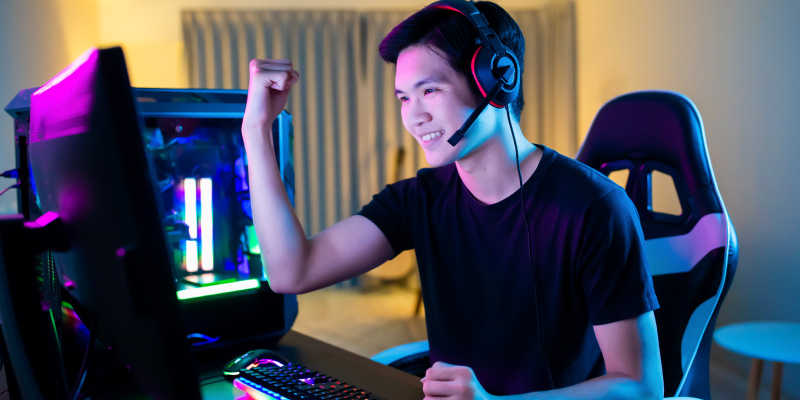
Why Personality Matters More Than Skill
Most gamers focus on improving performance, chasing high scores, or flashy plays. While skill is important, it no longer sets creators apart. Longevity comes from treating yourself as a platform rather than just a player. Your brand should survive shifts in game popularity, trends, and platform algorithms.
If your audience would leave the moment you stopped playing a game, your brand is tied to the game instead of to you. Personality, the humor, energy, storytelling, and emotional tone you bring are what keep viewers returning. The game is the stage; you are the main character.
People Also Ask
What Are The 5 C’s Of Personal Branding?
The 5 C’s are Consistency, Clarity, Creativity, Commitment, and Consultation. Consistency builds recognition. Clarity defines your niche. Creativity differentiates you. Commitment ensures long-term effort. Consultation means listening to your audience and adapting based on feedback.
Is Personal Branding A Skill?
Yes. Personal branding is a soft skill that combines communication, positioning, visual identity, and audience psychology. Like gameplay mechanics, it improves with deliberate practice.
What Are The 7 Pillars Of Personal Branding?
Trust, authenticity, expertise, consistency, visibility, value, and relationships form the foundation of a strong personal brand. In gaming, this means delivering value consistently while building real connections with your audience.
Which Platforms Are Best For Building A Personal Brand?
Start with one or two platforms that match your style: Twitch for live streams, YouTube for long-form content, and TikTok or Shorts for short-form discovery clips.
How Do I Make My Brand Recognizable?
Use consistent visuals, colors, tone, and content style. Clear branding lets viewers instantly recognize and remember you.
Final Thought
Building a personal brand as a gamer is about more than skill; it’s about creating an experience that sticks. Focus on who you are, connect deeply with your audience, and stay consistent across every stream, clip, and post. With authenticity, clarity, and a loyal community, your presence will grow into a brand that lasts beyond any game or trend.